




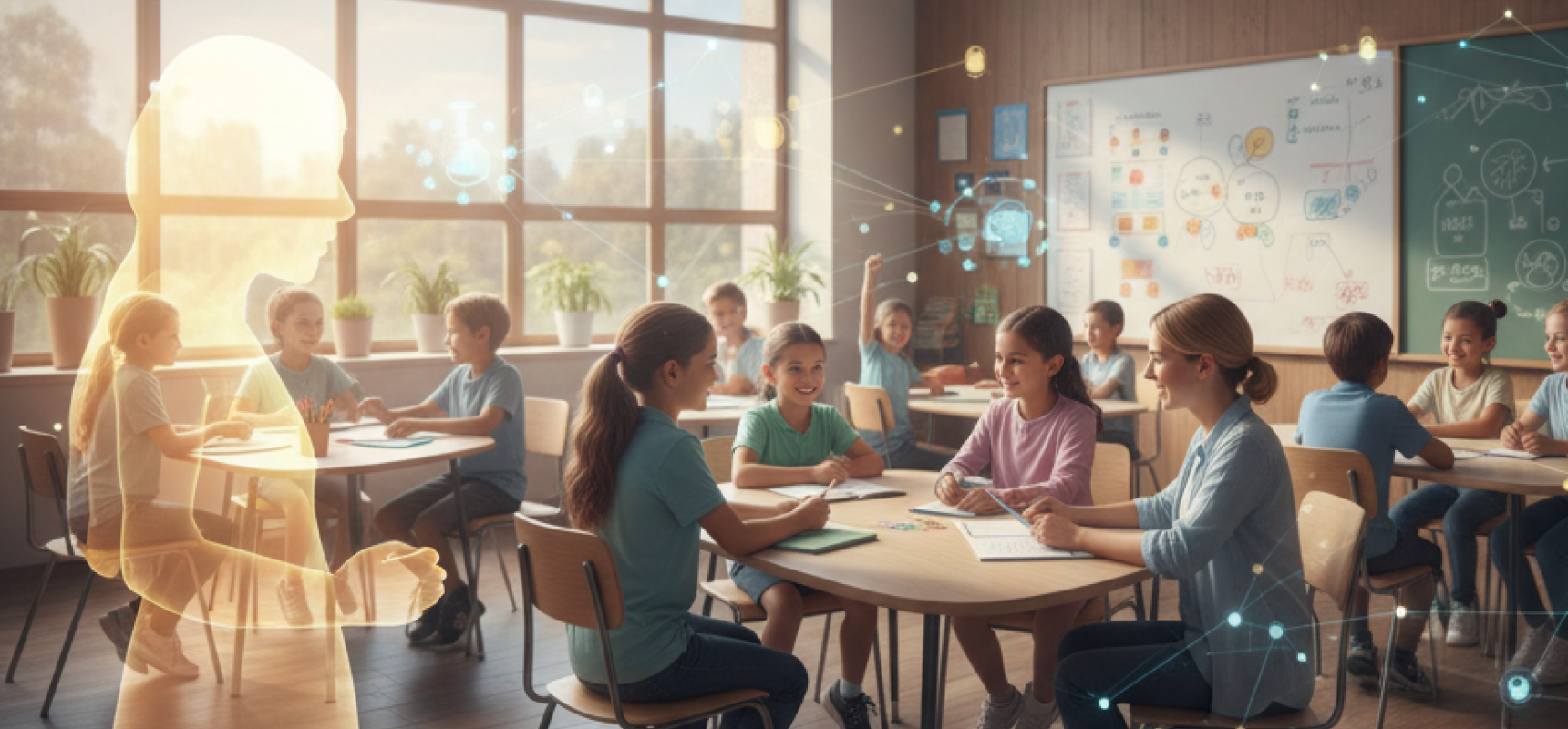
Parental anxiety has an understandable basis. A child spends a significant part of life at school, yet the family almost never sees what an ordinary school day looks like from the inside. Parents know the schedule, receive grades, hear retellings, and observe the child’s mood after lessons, but they rarely have access to the dynamics of the environment itself. They do not see how engaged the child is in dialogue, they do not notice subtle shifts in the classroom’s emotional climate, they cannot assess how the teacher’s attention is distributed, and they rarely understand when a problem is only beginning to form. In practice, this means the family often learns about a difficulty only after it has already become externally visible.
This blind zone cannot be solved by a gradebook, a progress report, or occasional parent meetings. The key deficit here is not the quantity of information, but the quality of attention. Schools need the ability to see subtle processes inside the classroom before they surface in grades, complaints, or conflicts. This is where the idea of a second system of attention appears — not instead of the teacher, but alongside the teacher.


